AI for Business Writing
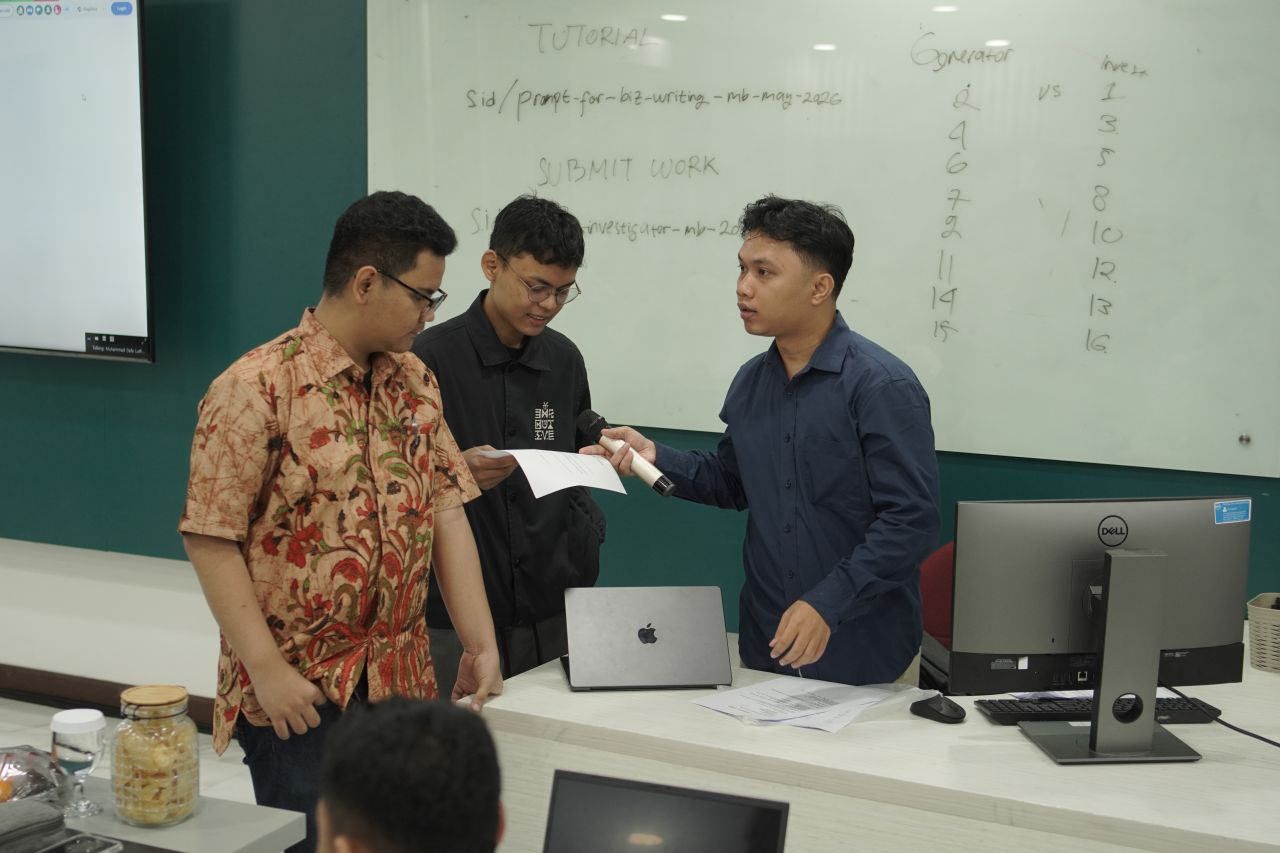
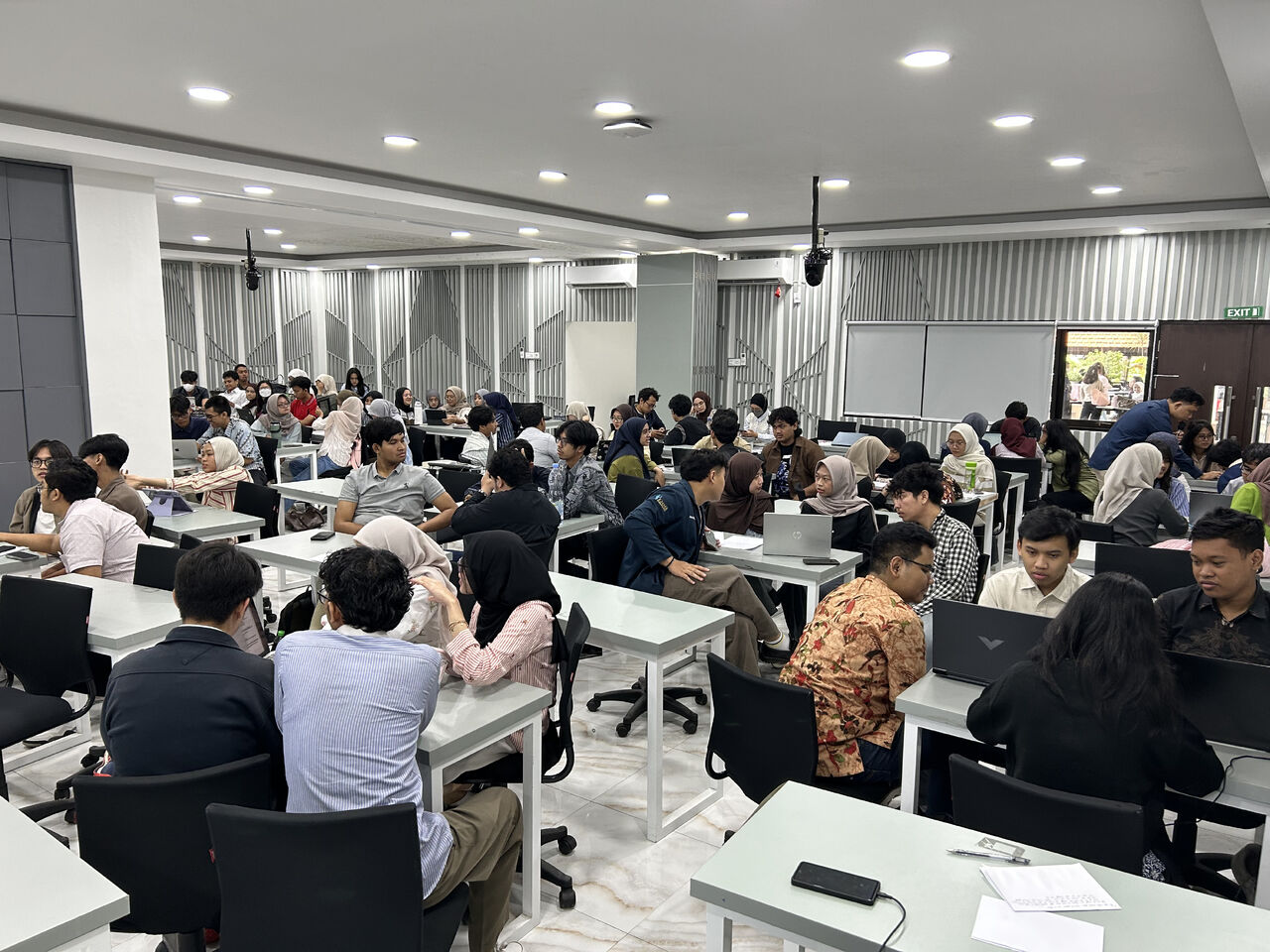
Last Thursday, on 21st May 2026, I had the privilege of being invited as a guest speaker by the Departemen Manajemen Bisnis ITS at Institut Teknologi Sepuluh Nopember (ITS). The topic itself was quite interesting (AI for Business Writing), and I was pretty excited to come back to my alma mater.
Learning from my previous experience giving seminars to a Gen Z audience, I decided to structure my talk into two sections: a normal “presentation”, and a “let’s play a game!” section.
For around 20 minutes, I shared my personal experience with this topic. In my current company, Bookipi, we are encouraged to adopt AI in our workflow, and we are also a remote company with international talent. I write a lot just to communicate with my teammates, and AI has been really helpful.
Having said that, I shared my reluctance to use AI when crafting important business messages for a broader audience, even though the incentive was there.
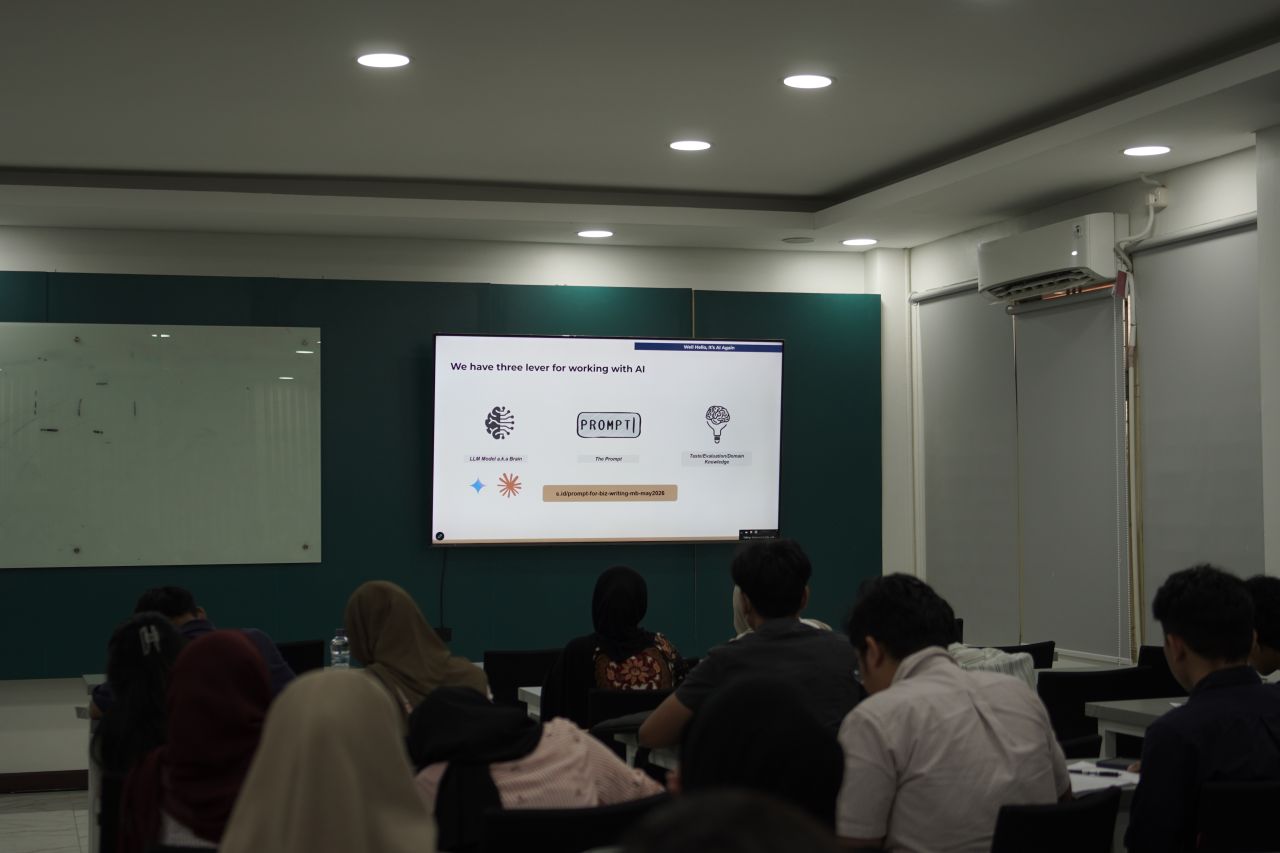
I then used this as a segue to talk about a fundamental issue I see in AI for writing: easy to generate, hard to quality-check. I mentioned that there are 3 levers we can use when working with AI, and one of them stands out as the most important: taste, or domain knowledge.
As a last point, I asked them: do we actually put AI on our most important constraint/bottleneck? I tried to synthesize Shyamal Hitesh Anadkat’s “Age of Taste” essay and the Theory of Constraints (inspired by 📚 Cedric Chin) and came up with a specific recommendation: AI should help us expand our “throughput”.
Making AI generate one more business plan for you isn’t wise; use it as your editor to criticize your existing plan instead. It’s even better if you already read 50+ business plan that you can get and build your own taste.
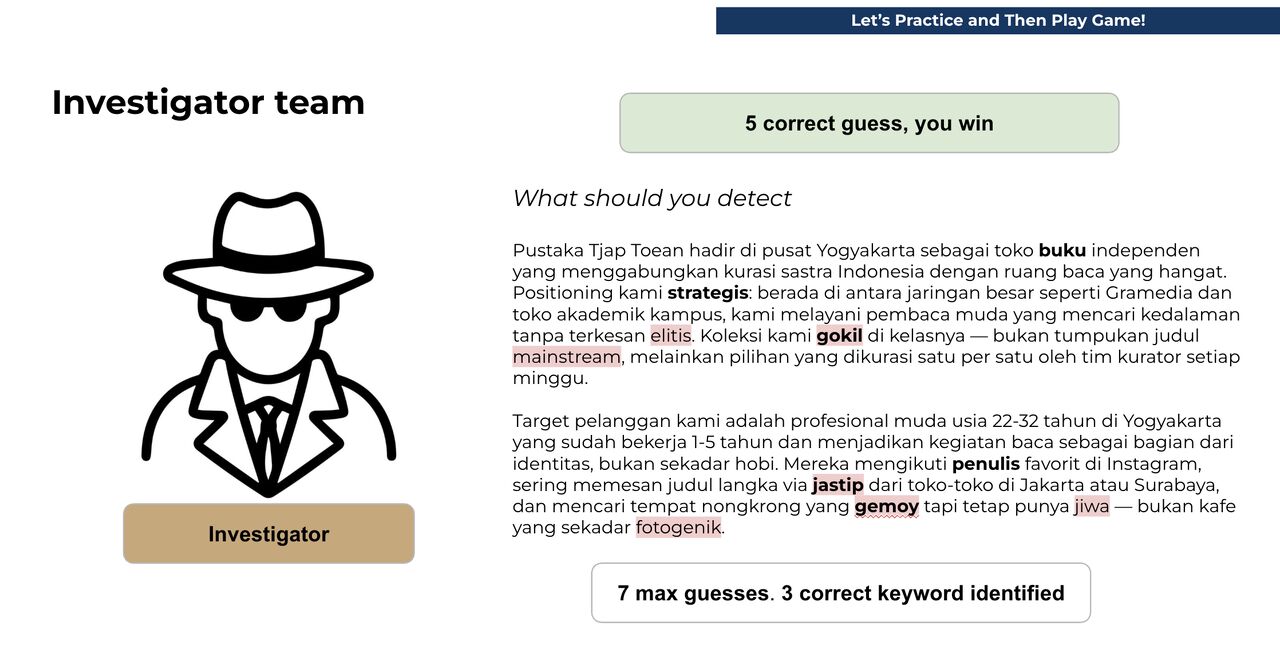
I then moved into the second “act” — the game. True to my theme, I split the audience into two groups: Generators and Investigators. As the name suggests, the Generator team’s goal was to generate a document, like a marketing plan or typical GTM strategy.
But the curveball was that the document had to contain 15 keywords (some normal, some out of place) that I assigned to them. Meanwhile, the Investigator team’s job was to identify at least 5 of these keywords. We had 16 teams in total — 8 Generators versus 8 Investigators. I expected a good fight on our hands.
The game played out and, to my surprise, every Investigator team won. 8–0.
Afterwards, a Generator team gave a reason why they all lost: getting an LLM to write these docs is trivial. Getting it to blur a strange word like “baper” into a boring marketing plan about restaurants is hard.
ITS is where I first learned how to think and spent all my time honing it. Coming back to discuss and argue with the next generation about how machines think now — that’s the kind of homecoming I’ll always say yes to.